How MaRS can take your startup global (Part One)
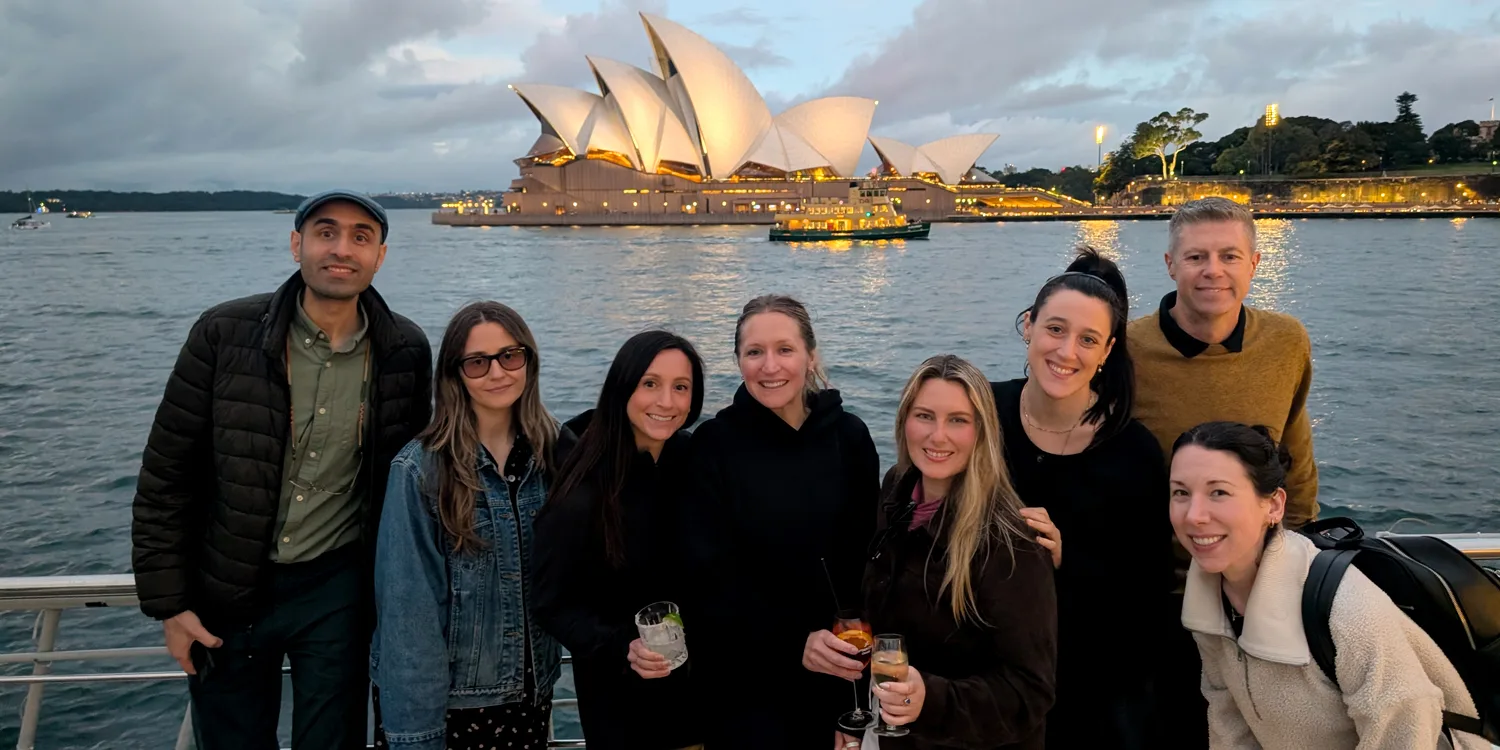
A Mobility Unlimited Hub delegation goes to Australia
Greetings from MaRS.
This month, a few MaRSians accompanied a group of ventures from the Mobility Unlimited Hub on a trip to Melbourne and Sydney. While there, the delegation attended a number of trade shows and conferences, pitched their tech and established new industry relationships. Below, Sofie Poirier, MaRS’s senior manager of health innovation and impact, talks about how such international trips can unlock all-new opportunities for startups — in any sector.
Also, in this week’s newsletter:
Stories from the ecosystem, upcoming events and the hottest jobs this week
Building bridges Down Under
No matter the market, the challenges facing founders are the same: limited time, constrained capital and difficulty navigating the right networks, which makes expansion both inefficient and discouraging. But for the startups in MaRS’s Mobility Unlimited Hub, extending their reach into Australia was of key importance — the market is large (21.4 percent of Australia’s population lives with disabilities) and support is considerable (the government provides AU$30 billion in funding to roughly 715,000 Australians). When these ventures set out to unlock new opportunities Down Under, MaRS saw a chance to leverage its relationships to help derisk the exploratory phase of this expansion.
In early May, the MUH cohort flew to Sydney. Over 10 days, they met with the Consul General of Canada to Australia, visited CICADA Innovations, a network of deep tech incubators, and pitched their technologies to occupational therapists, physiotherapists, clinicians and academic partners. They also attended the Assistive Technology Suppliers Australia Independent Living Expo and the Digital Health Festival, toured Royal Rehab and MedTechVic’s research hub at Swinburne University in Melbourne, where they gained valuable market intelligence and real-time feedback while fostering stronger connections across Australia’s assistive technology and rehabilitation ecosystem.
Sofie Poirier, senior manager of health innovation and impact at MaRS Discovery District, helped spearhead the delegation. Here are her thoughts on the trip.
Why did you bring the MUH delegation to Australia?
When looking at international expansion, we let our ventures lead the way. We asked them which global markets they were most eager to enter, and the response was resoundingly Australia. But entering a new market requires strong local roots. Through this initiative, we were able to deepen our relationships with incredible organizations like Remarkable, a disability technology accelerator. The Canadian Trade Commissioner Service and Export Development Canada (EDC) were also instrumental to our journey. Together, these partners helped us map out the local ecosystem, navigate complex healthcare and insurance schemes and understand the cultural norms essential to serving the Australian end user. Australia’s geographic isolation can make it harder for startups to come here but the country’s appetite for innovation made us feel right at home.
What stands out to you when comparing the healthcare systems in Canada and Australia?
In Canada, a lot of clinicians and physicians are eager to adopt new technologies; they’re hungry for them. But the reimbursement structure makes it very difficult to actually implement those solutions. This is often compounded by reimbursement models that vary by province. So, while the need and the want are there, it can be challenging to move things forward. In Australia, it seems the want and the need are also there, but the ability to implement new technologies is more readily available. The country also relies heavily, we learned, on importing innovative new solutions. That makes us very excited to build these new connections, because we know that after connecting to the right stakeholders, things can move a lot quicker than they do back home.
What’s the benefit of participating in a MaRS-led delegation rather than trying to organize meetings and site visits independently?
As a Canadian delegation, we are showing up as a united front. Approaching the market this way gives our startups greater networking opportunities, dedicated resources and targeted market intelligence. I don’t think they would have received the same level of market access if they went on their own. We directly introduced the cohort to more than 120 industry experts, and they were exposed to more than 1,170 stakeholders at the larger events.
Sarah Lambert, a co-founder of rehabilitation technology startup Ora Medical, told us that without participating in this delegation, it would have taken her company at least two months just to identify the right contacts in Australia. Dion Kelly, a co-founder of Possibility Neurotechnologies, said that the networking opportunities facilitated by MaRS are going to be invaluable to her business. These delegations are also a unique way for us to build community within our cohorts. Founders often become each other’s biggest champions, and share contacts and learnings. Nothing bonds founders together quite like being 23 hours away from home, exhausted, yet fuelled by Vegemite and the hope of reaching a new global audience whose lives may be forever changed by their solutions.
What’s the biggest challenge for a Canadian startup looking to scale its solutions in Australia?
In order to enter the Australian market, startups need a distributor willing to sponsor and stand behind their product. Finding the right fit is both challenging and time-consuming, and travelling to Australia to meet potential distributors can be very expensive. In Australia, distributors are fully responsible for the technologies they bring to market, including maintenance and usage issues, so trust is critical and building relationships in person is so important. Being able to come to Australia and meet directly with potential distributors allows these startups to nurture meaningful connections that would be difficult to build online or over email.
What are the notable developments from this trip?
Sometimes these market visits take time before you can fully evaluate the connections that were made. One notable development is that several of our startups had to cancel or reschedule their travel plans because they were presented with immediate opportunities to meet with distributors. The fact that they were already pursuing those connections right away is huge. They’re not waiting until they return to Canada.
Beyond distributor interest, there was also strong engagement from clinicians and families. Dion Kelly shared that while pitching her company and technology during our site visits, clinicians and families were immediately interested in testing the tech. I think that really speaks to the importance of being on the ground. The initial interest alone has already made the trip worthwhile for these startups.
In our next issue: MaRS goes to Singapore.
Stories from the ecosystem
AI: Olé, o-leh: Canada and Spain sign an agreement to jointly bolster digital sovereignty.
AGTECH: Inside Haven Greens, Canada’s first fully automated greenhouse — where they harvest 12,000 pounds of lettuce every day.
AI: Pope Leo tells the world to slow down on AI.
CLIMATE: The nine ventures in the inaugural cohort of the MaRS Adaptech Accelerator are helping to build Canada’s climate resilience.
ROBOTICS: Delivery robots have taken over L.A.
Solve for X: Home remedy
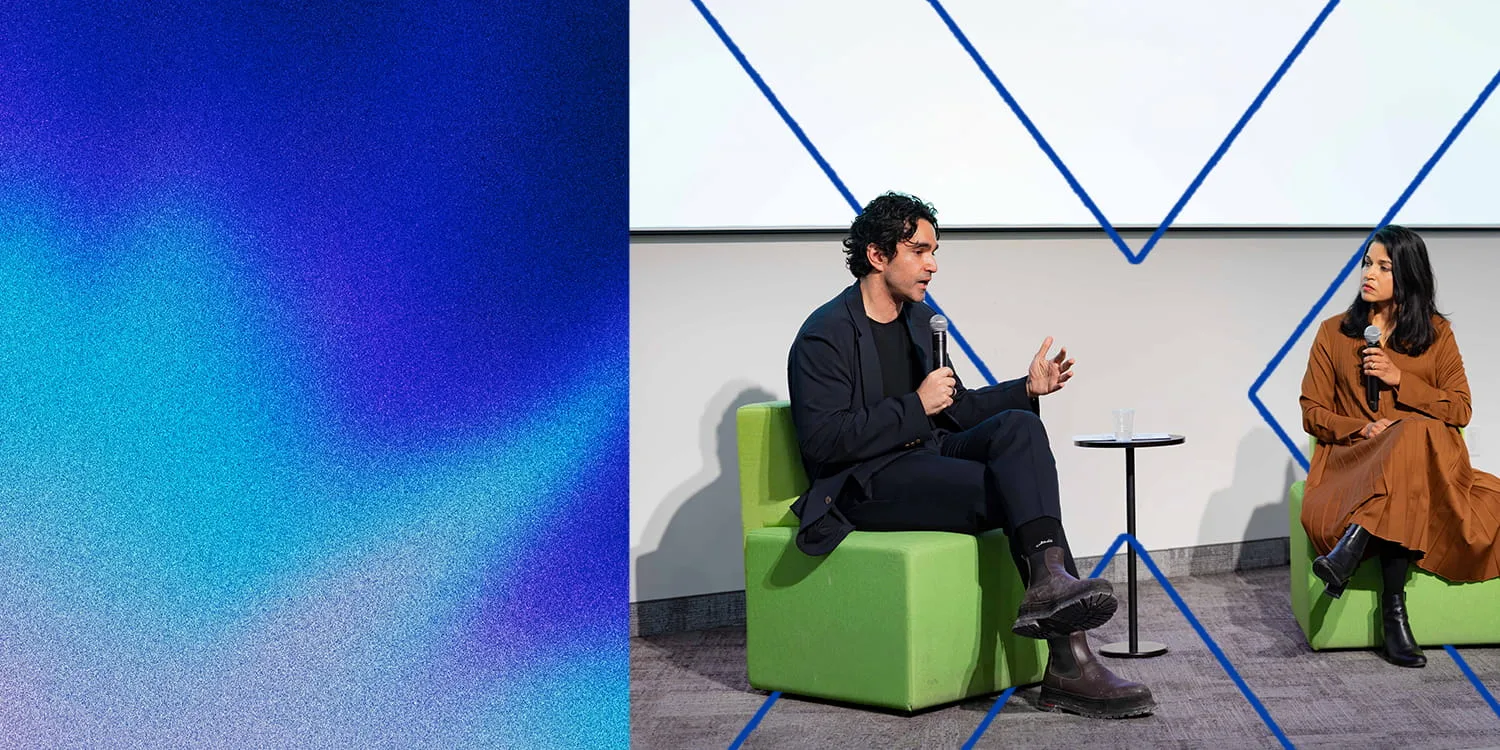
In the latest episode of the podcast, Manjula Selvarajah talks to physician Andrew Boozary, the founding executive director of UHN’s Gattuso Centre for Social Medicine, about how understanding housing as a medical intervention could transform the homelessness crisis.
Upcoming events
- Toronto Tech Week brings together hundreds of founders, investors and builders to showcase the energy, creativity and ambition driving Canada’s innovation economy. May 25–29.
- MaRS is co-hosting several events during TTW, including special MaRS Mornings and other networking opportunities:
- “Pitch session: AI, quantum and emerging tech ventures,” May 26, 9 a.m.
- Women’s Health Investment Summit, May 27, 8:30 a.m.
- “Hype versus reality: Valuation in the age of AI,” May 27, 9 a.m.
- “Compute costs: Accounting for AI’s hidden energy bill,” May 28, 9 a.m.
- During Toronto Climate Week, MaRS co-hosts two events: “Celebrating five years of Mission from MaRS: Wins, challenges and perspectives,” June 1; and “The climate tech journey: From ideation to industrialization,” June 4.
For more, visit our events page.
In the queue: What we’re reading, watching and listening to at MaRS
Lara Torvi, MaRS’s director of programming and content partnerships (see immediately above for her handiwork), shares what she’s been consuming lately.
 An otherworldly classical-pop album: “I played Rosalia’s gorgeous masterpiece, LUX, over and over when it came out last year. Rosalia sings in 13 languages and weaves orchestral and electronic music together so beautifully. One of my favourite tracks is “La Yugular,” which features a spoken-word poem by Patti Smith about the quest for creative fulfillment. I’m now taking a little break from listening ahead of her Toronto performance in mid-June.”
- An art school for everyone: “Julia Dault’s wonderful community art hub, Hot Pizza, has been a go-to for me and my craft-loving kids this spring. So far, we’ve done workshops on fabric printing and hand-built ceramics. It is such a joy to spend an afternoon far away from screens, making something beautiful, messy and tactile.”
- A mind-bending Danish bestseller: “I just finished the first volume in Solvej Balle’s On the Calculation of Volume septalogy. This Russian Doll-esque series is both meditative and — despite taking place entirely in one moment of time that endlessly repeats — incredibly gripping.”
- An annual summit for AI obsessives: “The Schwartz Reisman Institute for Technology and Society’s Absolutely Interdisciplinary conference brings together historians, data scientists, academics and urban planners to explore artificial intelligence from a multitude of angles. I attended last week and it was comforting to hear how universities are grappling with how to evaluate AI’s cognitive capacity and regulate a technology that is shaping belief, intimacy and public discourse. I was particularly impressed with University of Washington professor Jevin D. West, who uses network methods to examine AI’s role in polarization and to track the spread of misinformation. I’m excited to read his book, Calling Bullshit: The Art of Skepticism in a Data-Driven World.”
Careers: The hottest jobs in tech this week
- Quantum computing company Xanadu is looking for a cybersecurity engineer and two process integration engineers (photodiode development and BEOL). (Toronto)
- The Ontario Institute for Cancer Research is hiring a bioinformatics training project manager. (Toronto)
- Myant, which designs, develops and produces wearable technology, is hiring a director of finance operations, a senior software quality engineer, a product lead in digital health technologies and other positions. (Toronto)
- Uncanny Owl, which makes eLearning solutions, is hiring a growth manager and a WordPress developer. (Toronto)
For more, visit our jobs page
Did you know that MaRS is a charity?
Your support helps us advance Canadian innovation and science, bring our community together and transform the world for the better. For instance, through our carbon removal donation program, you can help support Canada’s most promising CDR companies through tax-deductible donations. Learn more here.
Thanks for reading! See you in two weeks.
Featured photo: (L to R) Mehdi Masoumi, Deaf AI; Evan MacDonald, MaRS; Dion Kelly, Possibility Neurotechnologies; Sofie Poirier, MaRS; Morgan Lorimer, MaRS; Amanda Whalen, MaRS; Eoin Dunlevy, MobilityCare; Sarah Lambert, Ora Medical Care
Sign up for our newsletter
-
 MaRS Staff