“Technology is only meaningful when it makes a difference in someone’s life”
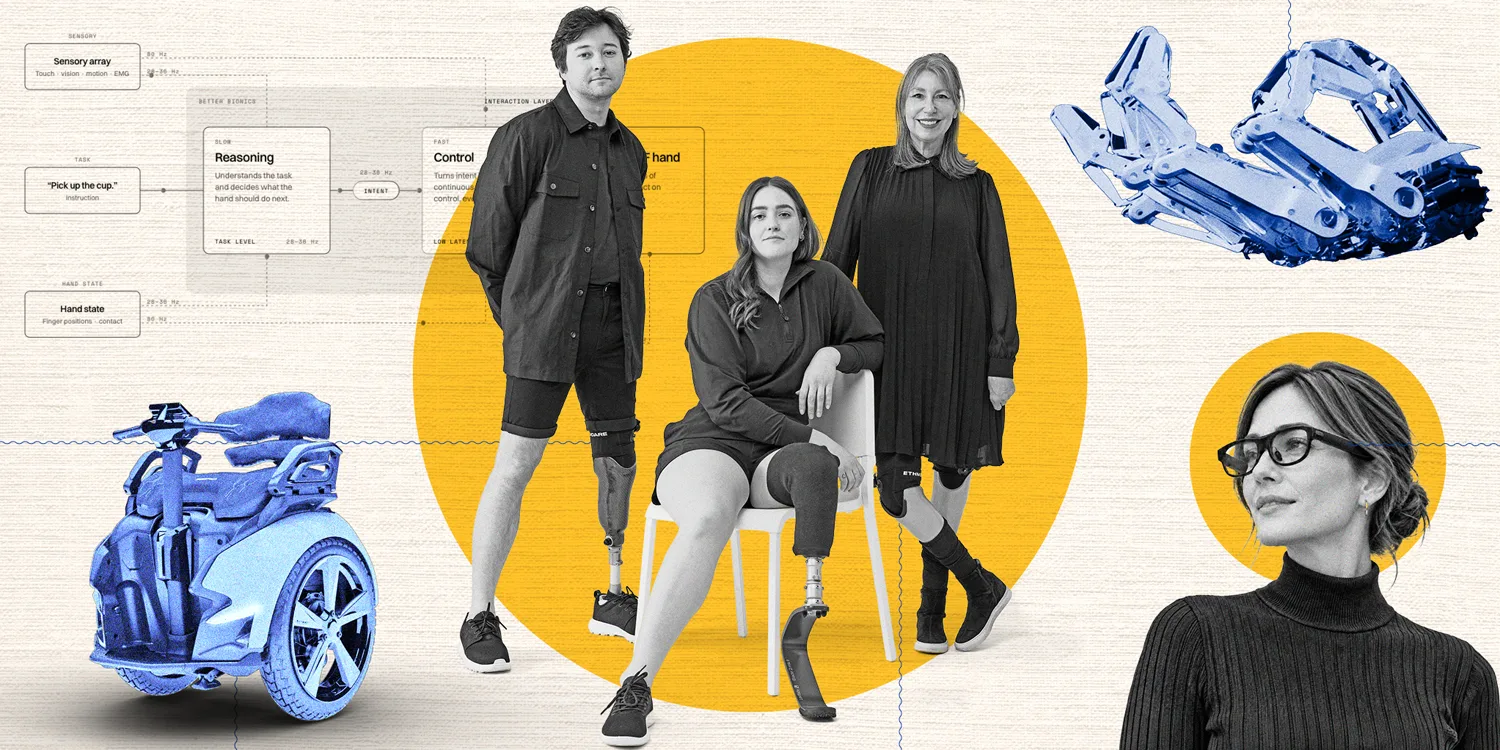
Meet the 10 founders in the third cohort of Mobility Unlimited Hub who are working to bring their innovative assistive and rehabilitative solutions to market.
It’s hard to overstate the need for accessibility devices. According to the World Health Organization, an estimated 1.3 billion people around the globe are living with a significant physical or mobility-related disability — a number that is only set to rise in the years ahead due to, among other things, an aging population. In Canada alone, mobility disabilities impact more than 3.1 million people, and many of them report that their needs for aids or assistive devices have not been met.
To help address this growing demand and speed up the commercialization of innovative assistive and rehabilitative solutions, MaRS launched the Mobility Unlimited Hub (MUH) in collaboration with the Toyota Mobility Foundation in 2024. This fall, MUH is launching its third cohort of high-potential startups. Over the course of the intensive two-year program, the 10 selected companies will receive the resources they need — advisory support, networking opportunities, co-working spaces, PR expertise — to help them bring their much-needed innovations to all who need them.
As Matthew Rosato, founder and president of PROVA Innovations, one of the 10 participating ventures, says, “Technology is only meaningful when it makes a difference in someone’s life.”
Here are the 10 startups working on cutting-edge devices that will help increase the autonomy and independence of people living with disabilities.
Better Bionics is building a more responsive prosthetic
When Ahmed Ibrahim was eight years old, a bomb went off near his school in Syria, which left his best friend, Ali, without a hand. “After that, he changed. Ali wanted to disappear — he stopped playing soccer with us and stopped raising his hand in class,” says Ibrahim, founder, CEO and lead engineer of Niagara Falls–based Better Bionics. “When you lose a part of your body, you don’t just lose what you can do. You lose what you are on the inside.”
Ibrahim started to try to make a prosthetic for his friend using “whatever tools I had,” he says. (In elementary school, he used old copies of National Geographic to create blueprints.) While these early attempts didn’t fully capture his vision, he never gave up. At McMaster University, Ibrahim combined insights from robotics, mass manufacturing and 3D printing to create a more affordable yet customized product. Outfitted with sensors and actuators, Better Bionics’s device is designed to offer a wider range of motion and grips — adduction, abduction and full thumb articulation — than even high-end prosthetics and for a fraction of the price. “We keep on improving,” he says. “Every prototype is a little bit stronger, a little bit faster, a little bit more human.” The goal, he adds, is “a hand that feels like it’s a part of the body rather than a tool strapped to it.”
Emagix uses simple eye exams to spot early signs of disease
This Halifax-based startup is working to help people with retinal diseases maintain their vision and independence for as long as possible. Spun out from research conducted at Dalhousie University, Emagix is developing a non-invasive form of monitoring retinal blood vessels. Diseases such as diabetic retinopathy and age-related macular degeneration can cause blood vessels in the eye to leak, which can often lead to swelling and progressive vision loss. The challenge is, these leaky vessels often develop before people notice a change in vision, and the only exam that can detect early symptoms is complex and rarely used (it involves injecting dye into a vein so that a specialized camera can map where the dye leaks in the retina). Emagix can provide the same insights as this dye-based test using imaging that can be captured during routine eye exams — no needles or dyes required. Its AI-powered platform can detect signs of leaky vessels “that the human eye cannot see,” says CEO Lyna Kamintsky, and can indicate whether treatment is needed to prevent vision loss. And the startup has plans to explore other applications. As Kamintsky says, “the retina can tell us a lot about several health conditions.”
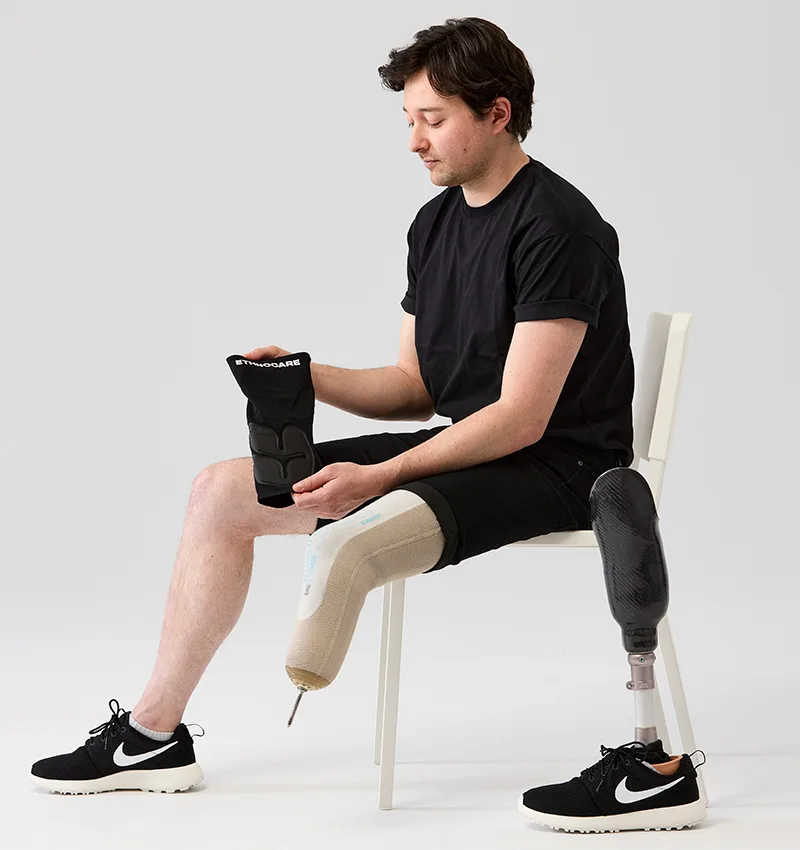
Ethnocare makes prostheses more comfortable
Fifteen years ago, Louis-Philippe Garneau’s mother, Line, lost both of her legs. Since then, she has lived with prostheses that are uncomfortable and limit her daily life. A trained product designer, Garneau co-founded Montreal-based Ethnocare with Vincent Breton and Marc-Antoine Malouin-Lizotte to address the most common challenges of lower-leg prostheses: fit (standard prostheses don’t adapt to hour-to-hour changes in the size of a leg stump) and heat and humidity, which can cause discomfort and skin irritation. The company’s Overlay is a breathable fabric sleeve with built-in air pockets that slips inside a prosthesis; an accompanying digital pump allows the user to add or remove air. Its Underlay product, meanwhile, is a breathable mesh layer worn under the liner, which pulls sweat away from the skin and lowers the fabric’s temperature by 2 to 3 degrees Celsius. “About 12 million adults worldwide live with a leg amputation,” says Malouin-Lizotte. “For them, the point where the leg meets the prosthesis is where most daily problems happen.”
Genny Mobility takes a cue from Segway in its new-fangled wheelchair
A motorcycle accident in 1995 led inventor and Genny Mobility founder Paolo Badano to use a wheelchair. Frustrated by his limited freedom, in 2009, Badano wondered if the self-balancing technology used in Segways might help improve the experience. Based in Ticino, Switzerland, the startup combines Swiss engineering and Italian design, to create an alternative approach to traditional wheelchairs. Its model incorporates gyroscopes, accelerometers and Genny’s proprietary control software to maintain front-to-back balance. Movement is controlled by shifts of the upper body. The two-wheel configuration allows Genny Zero to turn on the spot, and electric propulsion removes the need to push manually. “For Paolo, the starting point was being able to do more of the ordinary things that make life enjoyable — going out, meeting people and moving around independently,” says marketing managing Carlotta Castrucci. “Those everyday experiences still guide our development.”
HeadFirst takes the guesswork out of concussion diagnoses
If you’ve played hockey at a high level, as Andrew Cordssen-David has, you know concussions. Whether it was from hits or fights, Cordssen-David, co-founder and CEO of HeadFirst, has had more than his fair share, culminating in a frightening six-month bout of post-concussion syndrome when he was 19. Later, at the University of Waterloo’s Master of Business Entrepreneurship and Technology program, he put his personal experience to good use. Concussions are typically diagnosed through interviews and subjective evaluations, which for a variety of reasons — including athletes lying about their symptoms — can miss 50 to 80 percent of cases. Cordssen-David and his co-founder, Shazia Tanvir, set out to develop a more impartial diagnostic tool that worked as quickly and easily as a COVID test. They arrived at a simple saliva test that can detect the biochemical shifts in the body created by a concussion. “We’re not replacing the concussion tests that exist today,” says Cordssen-David. “We’re adding an objective tool to help the athletic trainer or medical professional make a more informed decision.”
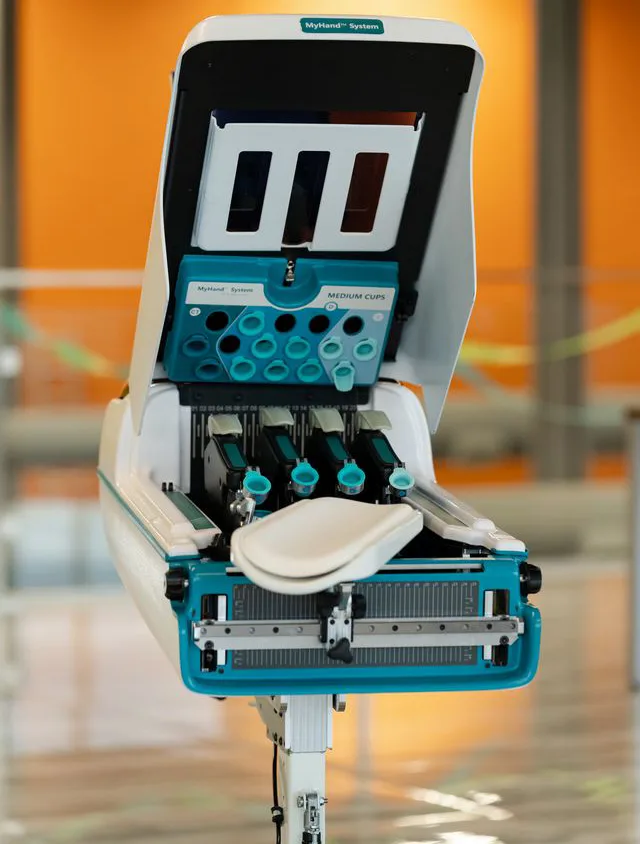
IRegained brings hands back to life
With a background in physiotherapy and neuroscience, Vineet Johnson has always been fascinated by the connection between the brain and body. Indeed, the Sudbury-based company that he founded a decade ago, IRegained, was created precisely to help people recover that connection after brain injury or stroke has severed it. After a stroke, for example, a patient’s hand is typically fine — the muscles, ligaments and bones all work as they should. But the brain can’t send the signal to the hand to make it move. IRegained’s rehabilitative MyHand system uses hand-strengthening equipment, a cloud-based exercise protocol platform, and lots of repetition and increasing difficulty, to build alternative neural pathways that help undamaged parts of the brain learn to take over lost function. “You are struggling, struggling, struggling,” says COO Samir Sahoo, “then you get it.”
PROVA is helping people take new strides
After Matthew Rosato’s son was born with cerebral palsy, he witnessed first-hand the challenges faced by people with mobility impairments in accessing consistent and effective rehabilitation. The boy went through years of intensive physiotherapy, for example, with therapists helping to correct his gait. But as soon as he was on his own, he’d fall back into old movement patterns. Rosato, a Hamilton-based engineer and entrepreneur, recognized that his son needed more consistent guidance and feedback and began developing an intelligent wearable solution that helps users improve their mobility and reclaim their independence.
The technology that Rosato and his company PROVA devised transforms an ordinary pair of shoes into a gait assessment and rehabilitation system. Sensors in the insoles capture biomechanical information like balance and foot position, while proprietary algorithms analyze this information and feedback is given through vibrations or audio cues to help users recognize and correct their walking patterns. “I’ve often compared gait rehabilitation to training for the Olympics,” says Rosato. “Athletes don’t simply show up and win medals. They spend countless hours practicing the same movements over and over until those movements become second nature. Learning to walk differently is no different.”
Sielo Robotics gives wheelchair users new independence
Evan Zeglinski-Spinney was studying engineering design at the University of Ottawa when he was introduced to two young women who changed his life. Tasked to create accessibility solutions as part of an engineering design course, Zeglinski-Spinney and a few of his classmates were matched with Sienna and Charlotte, both of whom had severe disabilities, were dependent on round-the-clock caregivers and yearning for a device that would let them live more independently. The students devised a new kind of robotic arm controlled with voice commands, a joystick or 3D mouse, and which mounts to the back of a power wheelchair and runs off the wheelchair’s battery. That device, which they called Arlo, led Zeglinski-Spinney and his classmates to found Sielo Robotics in 2024, and begin commercializing the product. Affordability and accessibility has been a key priority for the startup. Existing robotic arms cost about $120,000; Arlo’s unique mechanical structure makes it five times cheaper. “That’s our claim to fame,” Zeglinski-Spinney says.
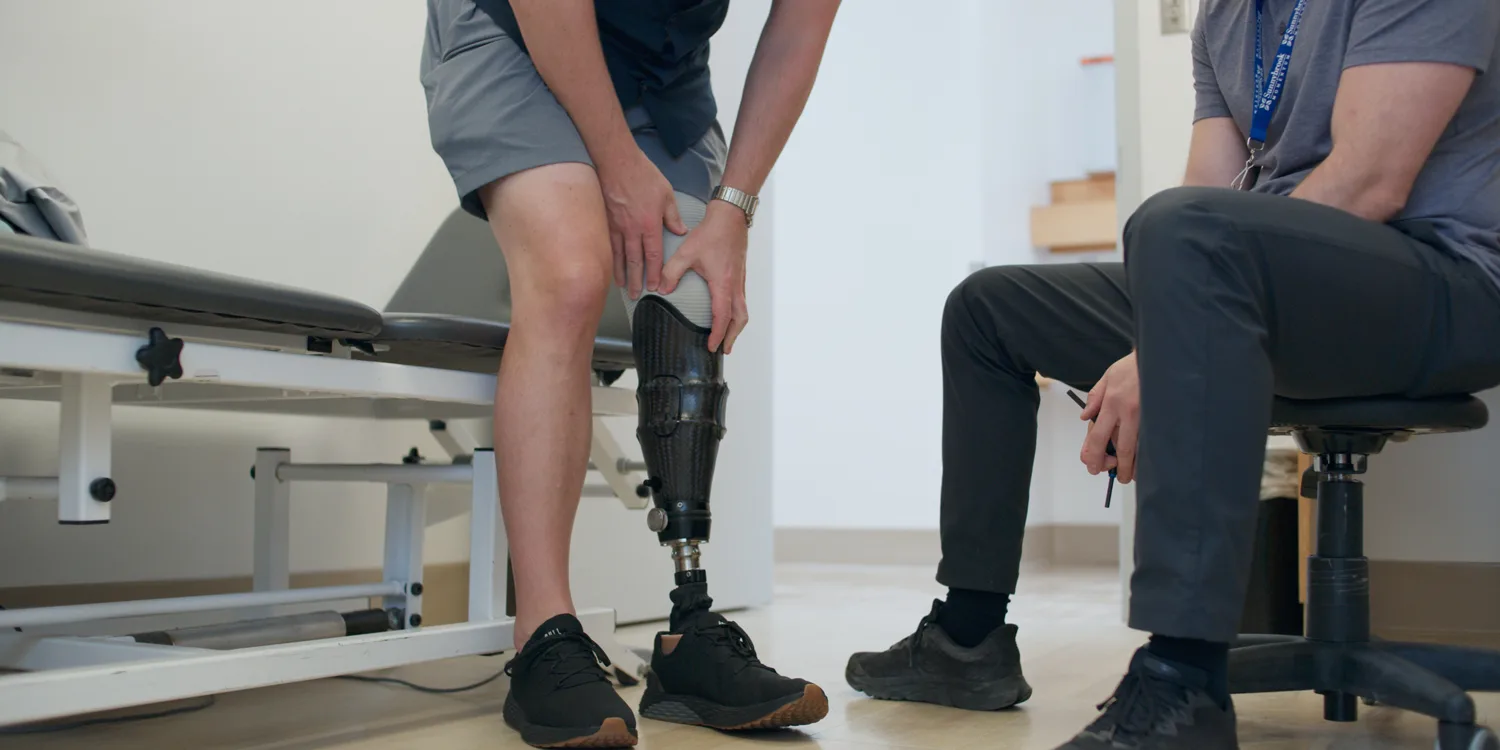
Vessl helps make prosthetics a better fit
After completing a master’s degree in biomedical engineering at Western, Sydney Robinson joined the Medical Innovation Fellowship, where she interviewed clinicians across all areas of medicine to find out what needs were going unmet. While shadowing a doctor at a diabetes clinic, Robinson learned how painful and debilitating poor prosthetic socket fit can be, and she and another fellow Oleksiy Zaika set out to find a solution. That effort led them to co-found Vessl Prosthetics, in 2022, where they developed an automatic volume management system for below-knee prosthetic sockets they called Kinn. When a prosthetist fits a socket, the tension is set to a comfortable level. But a residual limb changes size throughout the day as fluid moves in and out of the leg, and even the smallest change can cause pain. Kinn mitigates this with an internal mechanism that detects those changes and uses the energy from a person’s step to automatically tighten the socket back to the comfortable level — without using batteries, sensors or motors. “Socket fit is not just a comfort issue,” says Robinson. “It affects how someone moves, lives and feels in their own body.”
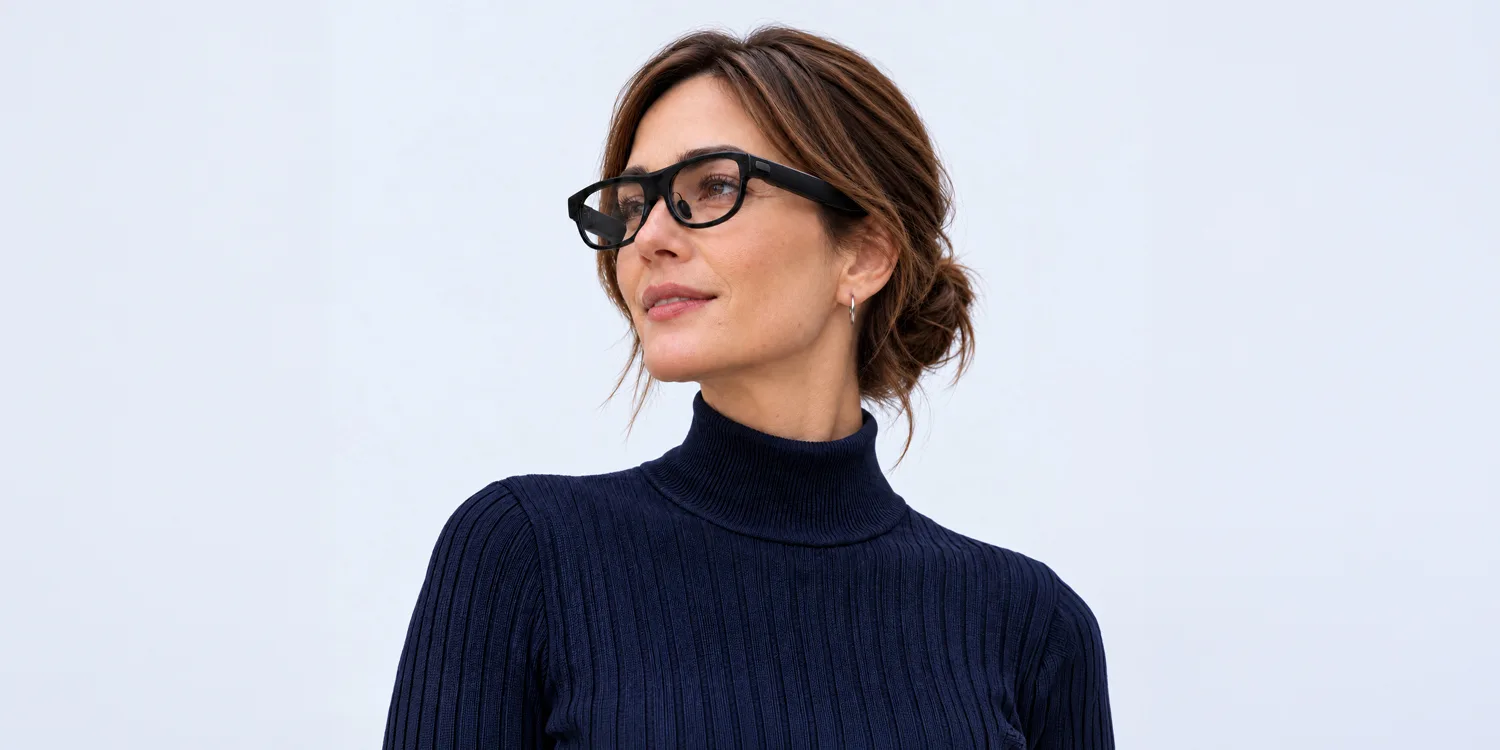
XRAI Glass opens the world up to people who are hard of hearing
Five years ago, Dan Scarfe and his wife, Lara, went home to the U.K. to visit Dan’s grandfather at Christmas. It was a dismaying visit — his grandfather was 97 years old and, despite having the best hearing aids available, he was increasingly isolated due to his growing deafness. “He was just daydreaming,” Scarfe says, “he had no idea what was going on.” But Scarfe was a seasoned entrepreneur, and was curious about how two recent tech developments — artificial intelligence and increasingly accurate speech-to-text — could help. “I thought, why don’t we just put the two together?” The result is XRAI Glass, which he and Lara co-founded in 2022. XRAI’s smart glasses combine extended reality and artificial intelligence to convert spoken conversation into text — in 300 languages and counting — and provide real-time captioning and translation that appear in the wearer’s line of sight. aXRAI’s glasses have been used to provide real-time subtitling at a performing arts festival in Holland and the company’s currently running a pilot captioning platform announcements in train stations. “Our big challenge is the number of opportunities,” says Scarfe.
Learn more how the Mobility Unlimited Hub is helping assistive mobility device companies help people live more active, independent lives.
-
 Nora Underwood