What really happens to the online purchases you return?
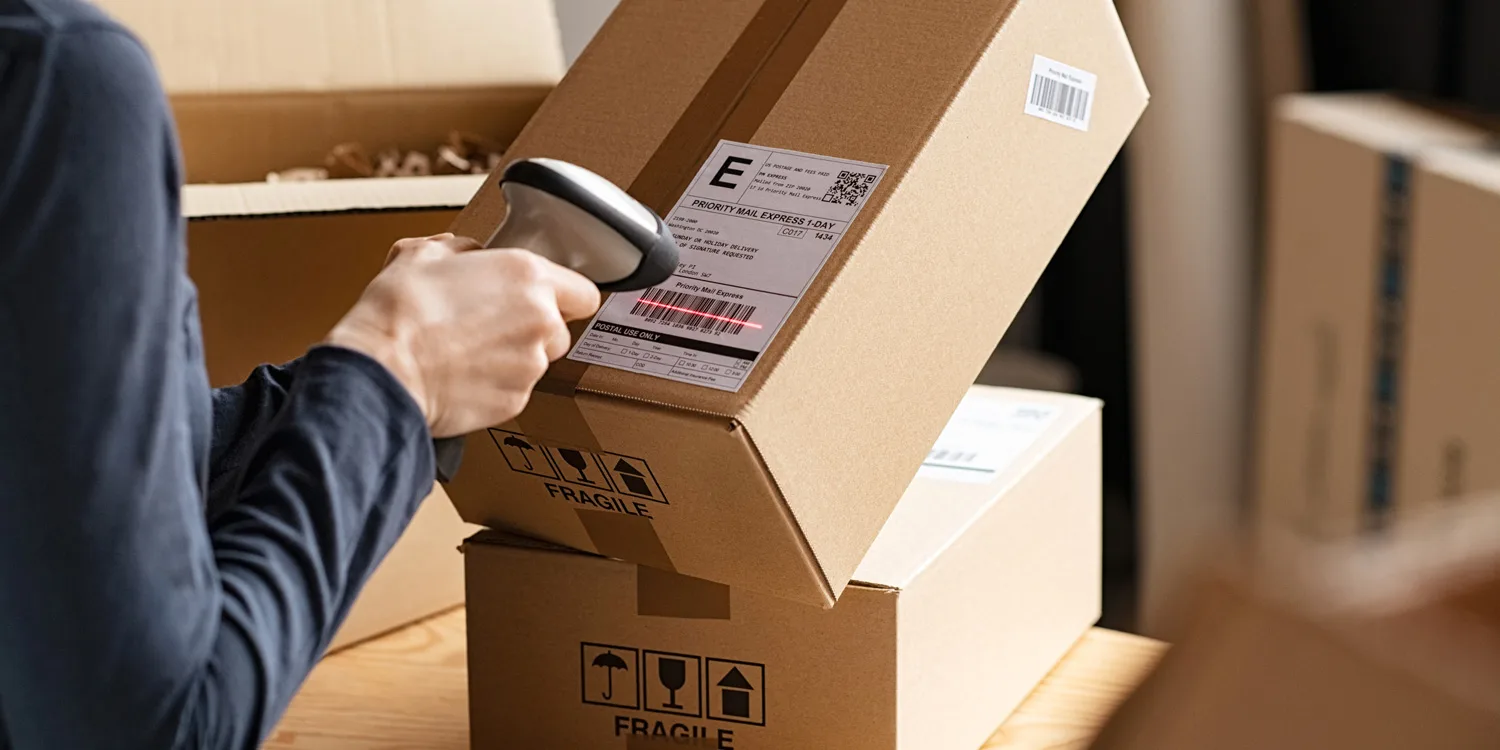
Easy, free returns have become the expectation of online shoppers and a big problem for retailers and the environment. Tech platforms, like Toronto-based GoBolt, are looking to optimize the process.
Online shopping has become the de facto method for purchasing goods. But the rise of digital retail is posing logistical and environmental challenges for retailers.
Canada is the world’s ninth-largest market for e-commerce with online retail annual sales reaching more than $90 billion in 2025. Despite the rising cost of living, spending over Black Friday and Cyber Monday increased last year by 6 percent and 3 percent, respectively, as savvy shoppers looked to cut costs by hunting down bargains.
“You’re seeing a massive rise of online shopping. People are busier than ever; they don’t have time to go to the malls. You can sit at home after your kids are asleep and do your shopping,” says Jenna Jacobson, an associate professor at Toronto Metropolitan who specializes in retail. “The big challenge is returns, which is a huge cost to retailers.”
Online returns cost American retailers close to U.S.$248 billion in 2023, according to the U.S. National Retail Federation (NRF). “The returns volume has only been increasing, year on year,” says Mark Ang, CEO of GoBolt, a Toronto-based logistics company specializing in returns management.
The result is mountains of stuff that have been returned to sender.
What happens to all the stuff no one wants?
“It’s a very messy situation,” says Jacobson, who explains that the fate of these goods can vary depending on what’s being returned, its value, its condition and how a retailer is equipped to deal with the logistics.
In the best-case scenario, the returned item is still in pristine condition and is sent to a warehouse where it will wait to be shipped off to the next person who buys it. That’s known as “restocking” and it’s most efficient when it happens locally, minimizing the cost and environmental impact of the transit.
Things get more complicated when a product is returned with opened packaging or shows any signs of wear. Some larger retailers, such as Amazon, sell open-box items at a discount. Any items that are not deemed salvageable might be donated, recycled or simply sent to landfill, says Jacobson. (In Canada, returns generate more than 2 billion kilograms of waste per year, according to a 2024 report by Canada Post.)
Then there’s a growing retail trend in which returned wares are sold in bulk to liquidators and other outlets. “We have seen a huge rise in the secondary market and it takes a lot of different shapes,” says Jacobson, noting the uptick in high-end resale retailers, outlet shops and social media influencers selling sustainably sourced goods.
How much stuff is being returned?
The overall rate of online returns in 2025 is expected to hold steady at just under 20 percent, which means that one in five products will make round-trip journeys. Meanwhile, e-commerce sales keep increasing; this year, the average Canadian is expected to buy 17 items online. (And certain age groups are shopping a lot more than that. Gen Z customers, between the ages of 18 and 30, reported they bought more than 30 items online last year — and returned more than a quarter of them.)
The cost to process a returned product can be between 20 and 65 percent of its original value, according to e-commerce platform Shopify, and the scale of returns has reached epic proportions. In 2024, close to U.S.$890 billion-worth of goods were returned to American retailers.
What kind of environmental impact do returns have?
“There are three dimensions,” says Ang, who describes the impact of the initial shipment, the return shipment and the product itself, which may or may not be resold. “If it can’t be restocked, that whole supply chain was wasted from manufacturing through to shipping and back. Then there’s the impact of that product being recycled or put into a landfill.” According to a recent study, returns accounted for 15 million metric tonnes of emissions and 9.5 million pounds of landfill in the U.S. alone.
What’s being sent back?
Clothing makes up a quarter of all returns, followed by footwear (17 percent), accessories (12 percent), food and beverage (12 percent) and consumer electronics (10 percent), according to Statista. While poor quality products from ultra fast-fashion sites like Temu can account for some of those rejects, two prevailing trends are largely responsible for the high volumes of apparel returns.
“Bracketing” is the practice in which people buy multiple sizes to find one that fits, multiple colours to see what looks best or multiple options to pick their favourites of the lot. “The home is the virtual fitting room,” says Jacobson.
“Wardrobing,” which is considered fraud, involves returning an item that has been worn. And in a recent survey, close to two-thirds of shoppers admit to bracketing and wardrobing, practices that are costly to retailers and may abuse their return policies.
How are retailers dealing with this?
After years of fast, flexible and free returns, retailers are looking to staunch the flow of products they take back and the abusive shopping practices exacerbating the problem. Last year, 9 percent of all returns were fraudulent, according to the U.S. National Retail Federation, and 45 percent of shoppers say it’s OK to “bend the rules” when returning unwanted items.
“While the volume of returns continues to rise with the growing pace of online shopping,” says Ang, “there are interesting ways to try to get the returns rate down.”
The NRF reported that in 2024, 68 percent of the retailers surveyed had started charging for at least one return method. What’s more, they found that 40 percent of shoppers were more tolerant of paying those fees. As customers come to accept that free returns are no longer the default, they’re also growing accustomed to shortening windows for returns.
Is there a better way to handle returns?
“This is a big problem for retailers and they are taking a lot of different strategies to try and reduce this,” says Jacobson.
Reverse logistics is the business of returns, which you can think of as an inverse supply chain that moves a product from the customer back to the producer. The goal is to reduce costs to retailers, customers and the environment by recouping as many products as possible and keeping transit to a minimum. Companies like GoBolt provide combinations of services such as warehousing, fulfilment, shipping and returns processing.
“We work hard to get our restock rates as high as possible, which means only five out of 100 things can’t be put back on the shelf,” says Ang. And GoBolt’s electric fleet of delivery vehicles provide greener transit solutions.
How can I be more thoughtful about my online shopping?
“If you are trying to engage in more conscious consumption practices, there’s a host of different things you could do, and the first is at the point of purchase,” says Jacobson.
In a world where online retailers are making it as easy as possible to buy (and buy and buy), one of the simplest actions you can take is to pause — stop before you shop.
Jacobson recommends adding some of your own friction to the process by setting budgets for how much you spend every week or month on a given category.
Being a thoughtful online shopper can also mean being selective about the sites you purchase from. For instance, says Jacobson, buying repeatedly from the same retailer means you have a sense of whether you generally like their products and you have a better chance of predicting factors such as the correct sizing.
And keep in mind where your product is coming from and how far it will have to travel to you (and possibly back again). A recent survey showed that 84 percent of Canadians intended to buy local, which helps the economy and the environment.
Are there ways to reduce the impact?
“Returning it faster and in good condition is better for retailers,” says Jacobson.
A quick turnaround gives retailers a better chance of selling that item to another customer. And products in good condition will “be graded faster and better” by warehouse restockers, explains Ang. That means refolding and repacking items, with original tags, so that they look as much as possible as they did when they arrived at your doorstep.
What should I do with an item that can’t be returned?
If the window for returns has expired on your product, or if it’s missing tags or a receipt, there are a number of ways to rehome an unwanted buy.
Shopify recommends 20 online platforms and breaks down how they work and their fee structure. You can also look into specialty sites like SELLIT9, for electronics, and Poshmark for apparel. And you can always consider donating your goods through a local community-based organization.
Discover other smart tools on MaRS Connect, a curated digital platform designed to accelerate connections between Canada’s top startups and adopters, investors, and ecosystems leaders.
-
 Dominique Ritter