Why the need for adaptech solutions is heating up

Extreme heat stress is the new normal
It’s getting hot out there — dangerously so. This past month, temperature records have been broken all over the world, leading to school closures, melting roads and thousands of deaths. But unprecedented heat is the new normal, says Nicole Toole, and we need to adapt to it immediately. Toole, who’s worked for years in impact-first investing, looking at the intersection of climate and health, recently joined MaRS to lead the Adaptech Accelerator. Below, she shares some thoughts about this scorching tipping point.
Also, in this week’s newsletter:
Stories from the ecosystem, upcoming events and the hottest jobs this week
Hot hot heat
After a blessedly temperate spring, the blistering heat that’s engulfed much of the world the last couple of months hit Toronto. The high in the city on Canada Day was 37 degrees Celsius, 45 with the humidity. That was nothing, however, compared to the exceptionally intense heat wave that gripped Europe, where more than half of the continent’s 850 major cities endured their worst heat stress ever. In Bangladesh, India and Pakistan, things were even more catastrophic. Two hundred thousand people die annually in South Asia because of heat, and a recent study argues that number could double by 2045 as temperatures continue to rise.
As we know, the people at greatest risk during these heat waves are the most vulnerable: the elderly, labourers who must work outside and those unable to afford air conditioning. “This particular kind of extreme weather really targets the weakest,” the UN’s global heat officer, Eleni Myrivili, told us last year on our podcast. “It’s a very unfair climate condition.”
Nicole Toole echoes this, pointing out that, among other things, heat stress is a direct threat to maternal health. “In extreme heat events, you’re more likely to have a pre-term birth,” she says. “You’re more likely to have a complication, and there’s an increased incidence of infant mortality.”
Heat that we used to call unprecedented is now, of course, the new normal. And adapting to that new normal requires new technologies. MaRS’s new Adaptech Accelerator program, which Toole heads up, aims to help scale such tech as quickly as possible.
A significant number of the ventures in the accelerator have developed innovative climate models to help us predict and prepare. But while such tools are vital, they’re also just a start. It’s one thing to obtain good data, but true climate resilience means using and integrating that data in meaningful ways. In terms of medical preparedness, for example, that data needs to be fed into public health and hospital systems, to ensure adequate staffing, to make sure NICUs are ready, to develop backup energy plans for pharmacies and so on. “It’s really about being able to prevent, plan, prepare and recover,” Toole says. “So that when these extreme heat events happen, it’s not so much everyone’s panicking and rapidly putting up cooling centres. It’s, this is the new norm, we know it’s coming, we have a system in place.”
As we hear time and time again, our cities were designed for the climate we used to have, not the one we now have, or will have. But planning for and adapting to a future climate is no easy task. “To pretend adaptation is simple is to live in denial of the pace and scale of the warming,” David Wallace-Wells wrote last week in the New York Times.
The climate threats that we face in Canada now — flooding and wildfire, primarily — are a clear and present danger, but other threats, such as new infectious diseases, also loom. “I think we need to be looking ahead because the effects of climate change are only going to evolve more rapidly,” Toole says. “It’s wildfire and flooding now, but what is it going to be in five or 10 years? We need to start investing in that space now so when those threats do arrive, those solutions are mature enough to push into the ecosystem.”
Are robots having a ChatGPT moment?
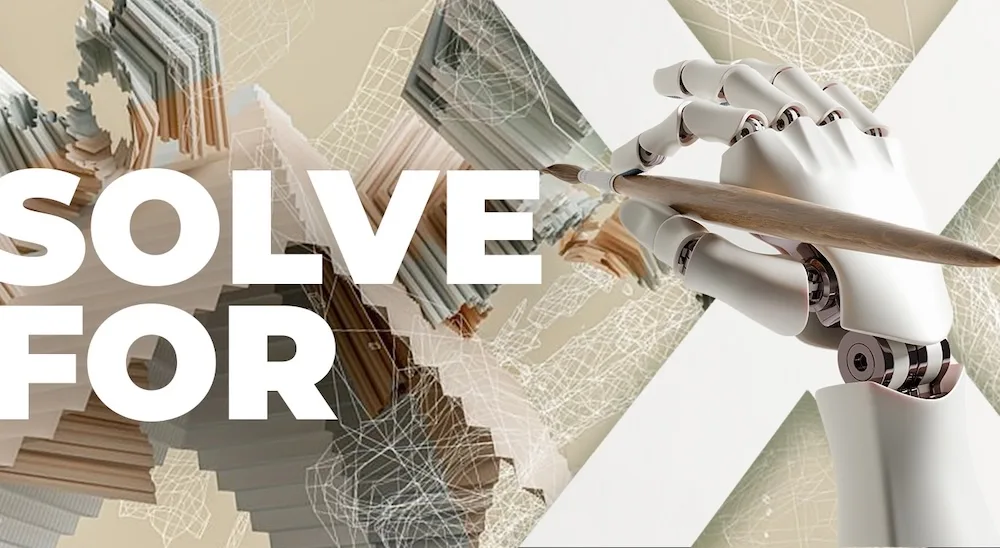
In the latest episode of the MaRS podcast Solve for X, Manjula Selvarajah explores the elusive quest to give robots human dexterity.
Stories from the ecosystem
CLIMATE TECH: Geosapiens is using AI to predict the unpredictable — extreme weather events.
AGTECH: Growcer’s part of an innovative program turning parking fine revenue into fresh local greens at Kingston, Ont.’s Partners in Mission Food Bank.
SPORTS: Scoring data points: How fan metrics are shaping the new world of women’s sports.
CAPITAL: Canada needs to invest in nature as infrastructure.
MOBILITY: How the Mobility Unlimited Hub is helping people with paralysis stand on their own two feet.
ENERGY: Aslan Renewables’ riverside turbine-in-a-box is designed to feed hydro to local grids in real time.
Upcoming events
- Applications are now open for the RBC Women in Cleantech Accelerator, a two-year program helping women entrepreneurs scale their climate tech solutions. The application window runs until August 6, 2026, with an informational webinar on July 13. Learn more and apply here.
- Three ventures in the MaRS Better Building Adoption Accelerator — CURA, Morgan Solar and PakVille — showcase their housing decarbonization solutions at the “Next-gen new builds” pitch session. July 9.
- At The Grain’s “Keep your voice” workshop, learn how to direct LLMs without losing your own creativity and perspective. July 15.
- Woven’s “Golden Hour” summer social brings together women in data and AI for dinner and conversation. July 17.
- The second session in the MaRS Better Building Adoption Accelerator pitch series features ventures working in high-tech retrofits: QEA Tech, RegenEAU and TwinGlaze. July 24.
- Innovation Cluster presents “Entering Canada’s defence market,” a practical overview of procurement, compliance requirements and market access opportunities in Canada’s defence sector. July 29.
For more, visit our events page
In the queue: What we’re reading, watching and listening to at MaRS
Last week Shaina Raza and her team at the Vector Institute released a new AI bias detection tool, UnBias-Plus, to flag and reframe instances of bias in data sets and written text. Here, she shares her (intentionally) biased picks for what you should read and listen to next.
 A podcast that cuts the (mental and physical) clutter: “The Minimalists really inspires me and has given me a lot of peace of mind. Minimalism isn’t just about furniture or organizing bookshelves, it’s also influenced my coding, work style, meetings and the way I manage my thoughts and make decisions. A good reset after a research-heavy week.”
- A guide to settling the psyche: “I used to be an overthinker. Then I listened to How to Detox Your Mind and it made me realize how constant overthinking and multitasking were creating unnecessary stress and affecting my well-being. The book’s lessons helped me to manage my thoughts better, improve my focus and find greater clarity in both my personal and professional life.”
- A deep dive into the unknown: “Quantum physics fascinates me because it challenges how we think about reality, time and existence. It makes me wonder whether the dreams we experience are simply creations of our minds or glimpses into possibilities we cannot yet understand, or if there’s another version of myself living elsewhere, or what will humanity look like centuries from now? Sean Carroll’s Mindscape podcast investigates these questions and many others. While science doesn’t yet have the answers, exploring them inspires curiosity, humility and a sense of wonder.”
Overheard: At the federal government’s latest Buy Canada announcement
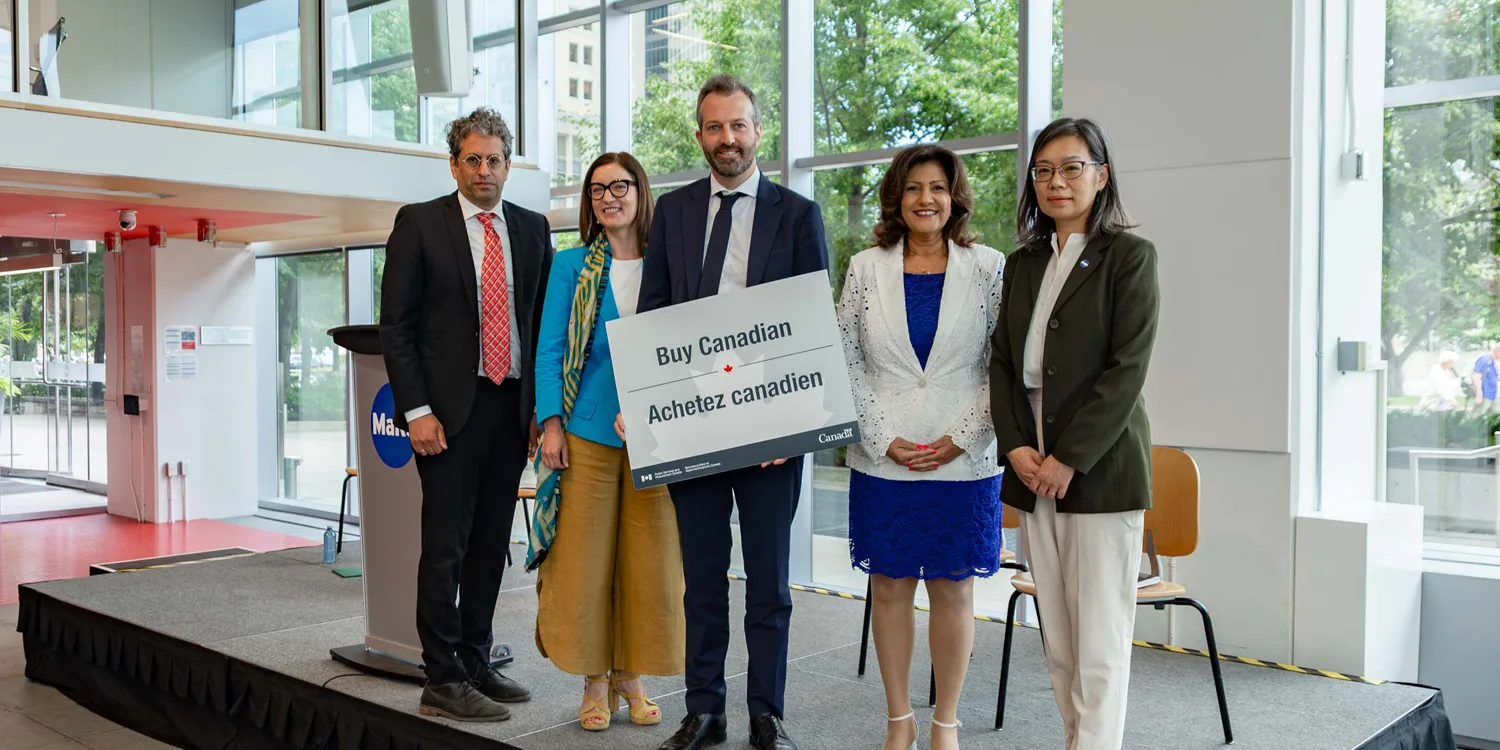
“Behind every company, every startup, there’s a story. There’s someone who saw an opportunity. There’s someone who took a leap, who decided not to wait for permission. Someone, some group of people, who elected not to just participate in the economy, but to build it. To create jobs, to create innovation, and to make Canada competitive.”
— The Honourable Joël Lightbound, Minister of Government Transformation, Public Works and Procurement
Careers: The hottest jobs in tech this week
- Canadian Strategic Missions Corporation, a space and defence company, is hiring a director of Western operations and growth, a creative director and a geophysicist. (Waterloo)
- ForceN, which makes sensing systems for robotics, is hiring a calibration technician. (Toronto)
- MakeOS, whose platform harmonizes production tools, is hiring various software engineers. (Toronto)
- Haply, a robotics company, is looking for a senior firmware engineer, a senior system engineer and various other positions. (Montreal)
For more, visit our jobs page
Thanks for reading! See you in two weeks.
Featured illustration: Stephen Gregory; photos: Unsplash
Sign up for our newsletter
-
 MaRS Staff