How Axtion accelerated its go-to-market timeline
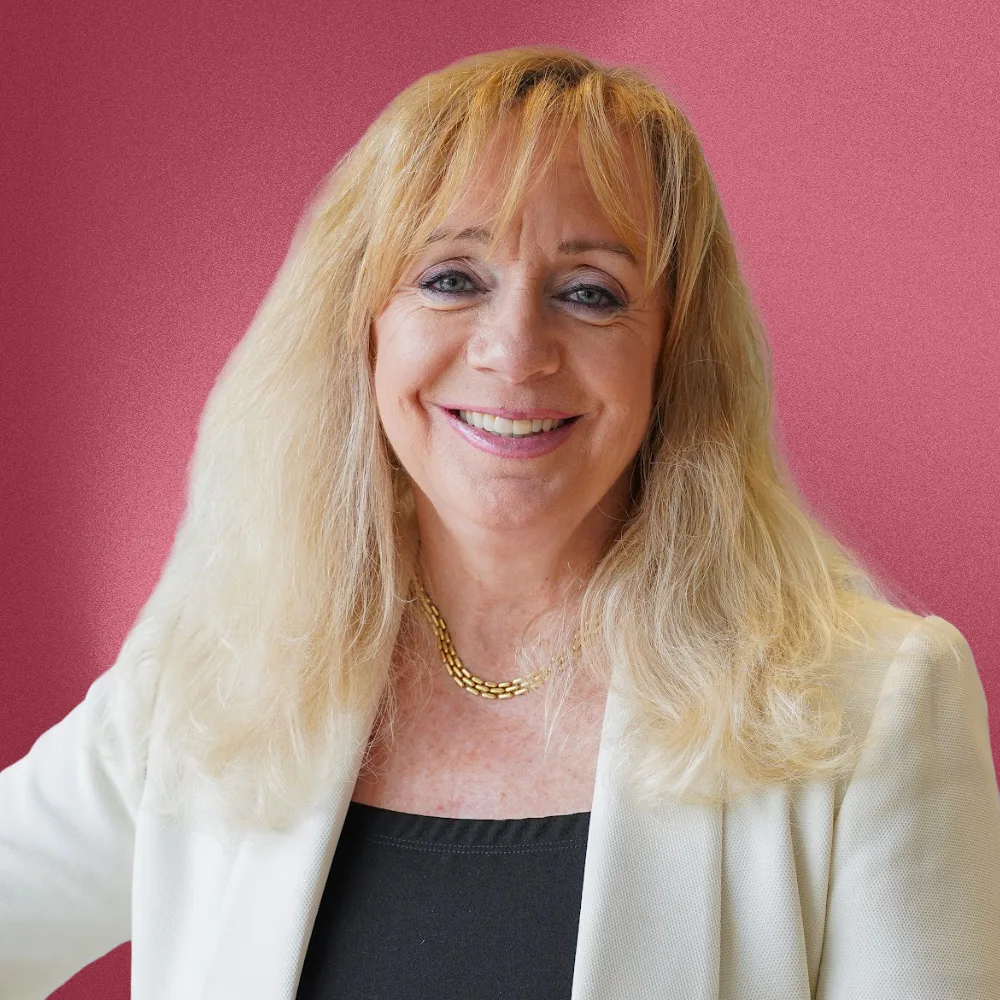
As part of the Mobility Unlimited Hub, the personal mobility startup was able to tap into the expertise of fellow founders and streamline its product development.
The challenge
To move its personal mobility device from prototype to commercial product, Axtion Independence Mobility needed to clear several regulatory hurdles.
The impact
Peer-to-peer sessions with other founders in the MaRS Mobility Unlimited Hub helped the startup speed up product development by a year, saving the startup millions.
When Tracey McGillivray’s 82-year-old father began having trouble with his balance and falling at home, she was determined to find something that could help him continue to live independently. “We tried every device out there, but nothing worked,” says McGillivray. “I can’t stand to see a solvable problem go unsolved.” So she partnered with mechanical engineer Liam Maaskant to create the mobility device she was looking for and in 2020 they co-founded Axtion Independence Mobility.
The Amherst, Nova Scotia–based startup’s first product, the Raymex Lift (named after McGillivray’s father Ray), was inspired by a traditional rollator walker, but has a powered elevating seat that descends all the way to the floor. After a fall, users can slide onto the seat and be lifted back up to a seated or standing position.
To help bring the Raymex Lift to market, in 2024, Axtion secured a spot in the Mobility Unlimited Hub, a collaboration between MaRS and the Toyota Mobility Foundation that helps pre-growth stage personal mobility companies scale their solutions.
“Being part of the MaRS Mobility Unlimited Hub is a gift that keeps on giving. The founders have all been so generous with their knowledge, help and providing moral support. I couldn’t imagine being in a better place to drive the commercialization of our device.”
Tracey McGillivray, Co-founder and CEO, Axtion Independence Mobility
Navigating the regulatory process
One of Axtion’s first goals was to get Health Canada and Food and Drug Administration approval at the same time in order to start pre-orders, says Sofie Poirier, a senior manager on the Mobility Unlimited Hub team. “The challenge was that they weren’t able to take any pre-orders until they had finished the regulatory process.”
To help fund the R&D needed to complete the International Electrotechnical Commission (IEC) testing required for a Class 1 medical device with electronics, McGillivray was also looking to secure investment. But getting VC buy-in would be difficult without clearance from Health Canada and FDA. It was a catch-22: She needed funding to complete certification, but potential funders needed to see validation that it worked before investing.
Fortunately, McGillivray had peer mentors she could turn to. As a Mobility Unlimited Hub venture, Axtion was part of monthly peer-to-peer sessions, designed to provide founders with opportunities to learn from each other. “The input they get from cohort members who have gone down similar paths is so invaluable,” says Poirier.
Gaining insights
When McGillivray shared her conundrum, two of her peers jumped in to help. Eugene Cherny, CEO and co-founder of Cheelcare, and Pooja Viswanathan, CEO of Braze Mobility, had been through the regulation process already, and knew that because Axtion’s product wasn’t in market yet, she didn’t need to complete the IEC certification before filing the regulatory applications. They explained how these steps could be done in parallel and showed McGillivray what adjustments to make to her Health Canada and FDA applications. As a result, Axtion was able to secure the pre-seed funding it needed to complete the IEC certification and move into active production of its device much faster.
Accelerating production
This guidance changed Axtion’s trajectory overnight, saving the startup a year’s worth of work and several million dollars. “If I sat down and really did the math, I think it’s even higher than that,” says McGillivray.
With the regulatory hurdles behind her, she was able to begin securing retail partnerships. Poirier connected her to a member of the MaRS community network who was looking for new technology to bring to their healthcare equipment retail stores, which culminated in a contract with VGM Canada and national distribution. “That helped give us instant credibility,” says McGilivray. “We had orders coming in as soon as we launched because of that network.”
Support from MaRS’s advisors also helped Axtion nail its pitch on Dragons’ Den, which landed them an offer from Arlene Dickinson. A clip from the show went viral, garnering nearly 10 million views and drawing 60,000 visitors to Axtion’s website. “We wouldn’t be where we are without MaRS and the Mobility Unlimited Hub,” says McGillivray.
What’s next
With its manufacturing plant up and running, Axtion is now working to meet demand for the Raymex Lift, with support from Toyota. “They are helping us improve efficiency and scale faster while also keeping production here in North America.” Axtion is also looking to expand into Europe and Australia this year, and is pursuing a licensing partner in Japan. Meanwhile, accolades keep rolling in: the company just earned a spot on the Forbes Accessibility 200 list, which recognizes organizations across the globe for advancing accessibility and inclusion.
Founded: 2020
Program: Mobility Unlimited Hub
Services: Regulatory Guidance, Peer-to-Peer Mentorship, Strategic Networking and Distribution Access
MaRS programming is funded in part by the Government of Canada through the Federal Economic Development Agency for Southern Ontario and by the province of Ontario’s Ministry of Economic Development, Job Creation and Trade.
-
 Naomi Symonds