It’s becoming too expensive not to invest in cleantech
Making the economic case for climate pragmatism.
This year’s Climate Impact kicks off at the MaRS Centre on December 2, bringing together more than a hundred international climate experts to discuss everything from the rise of bio-based materials to investor perspectives on where cleantech dollars are flowing. Below, Dominique Ritter digs into the latter subject, and argues that, on our overheating planet, it’s becoming too expensive not to invest in climate solutions.
Also, in this week’s newsletter:
Stories from the ecosystem, upcoming events and the hottest jobs this week
Why cleantech’s tipping point is all about smart money
What if choosing the planet — and its people — didn’t mean compromising profits?
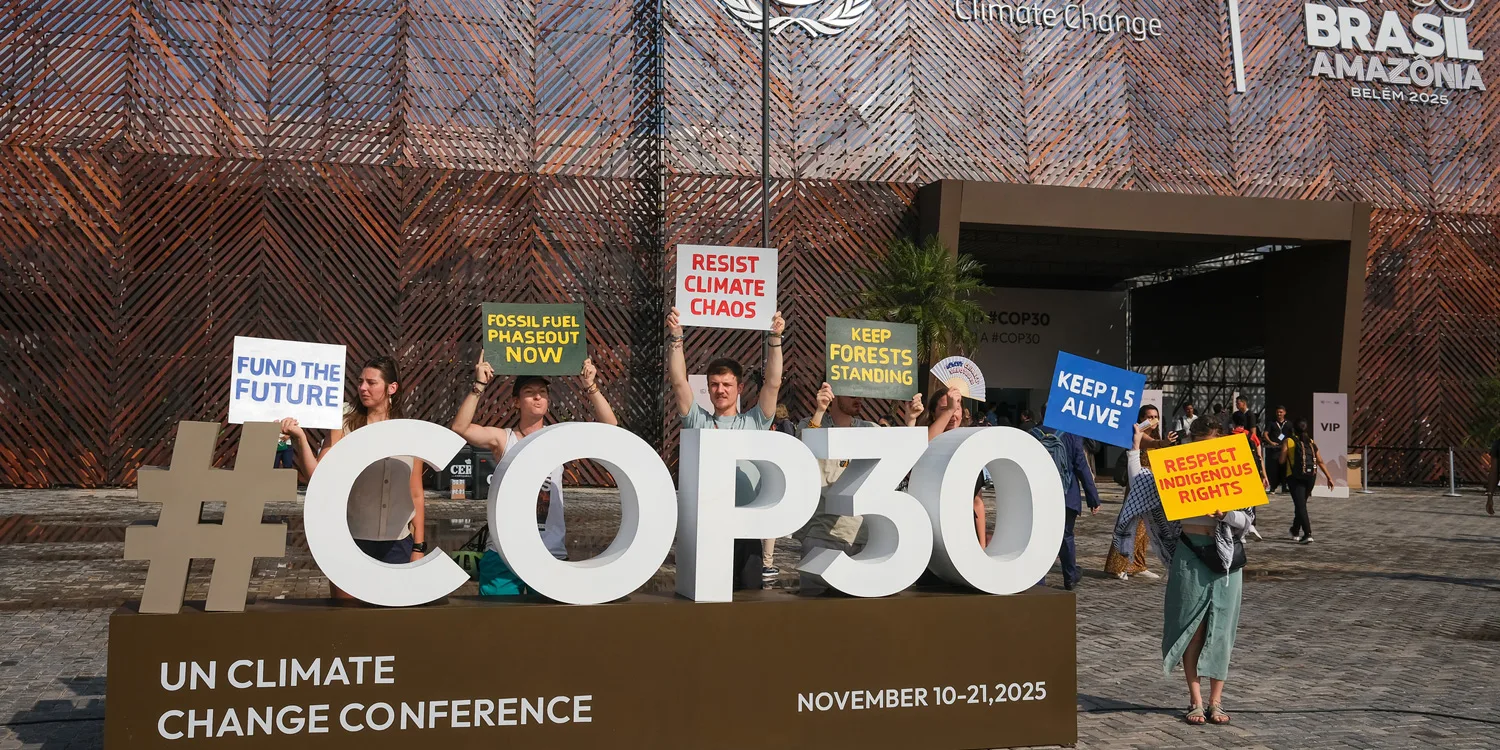
Up until now, the global community has failed to do the right thing. As COP30 wrapped last week in Brazil, only marginal progress was made toward reducing carbon emissions. Despite political promises, green intentions and significant global investments in cleantech, short-term carbon-fuelled habits have continued to trump long-term climate solutions.
While there are good-news stories about advances in cleantech and Canada’s position as a clean energy superpower, ultimately, we’re facing an ominous climate reality.
By the end of 2025, carbon emissions are expected to reach an all-time high — a projected 38.1 projected tonnes — according to the Global Carbon Project, which notes that the available carbon budget to limit global heating to 1.5 degrees Celsius has been “virtually exhausted.” So far this year, we’ve already witnessed several climate shocks, including hurricane Melissa in Jamaica, super typhoon Fung-wong in the Philippines and Canada’s worst-ever wildfire season, with more than 470 blazes. Climate change comes to bear on our human experience in ways that are both direct — about 124 million people are expected to experience climate disasters this year — and indirect, with rising stress and temperatures resulting in impacts to our collective physical and mental health.
And then there’s the cost of the damage wrought by floods, fires and other natural disasters. In the first half of 2025, the Global Catastrophe Recap reported that the financial cost of global climate disasters amounted to at least U.S.$162 billion. January’s wildfire in L.A. alone caused U.S.$61 billion in damages.
With the surge in weather-made disasters comes another crisis: an existential threat to the insurance industry. Those costs are borne out by the people whose premiums are sharply rising or who, increasingly, can’t get any coverage for their homes.
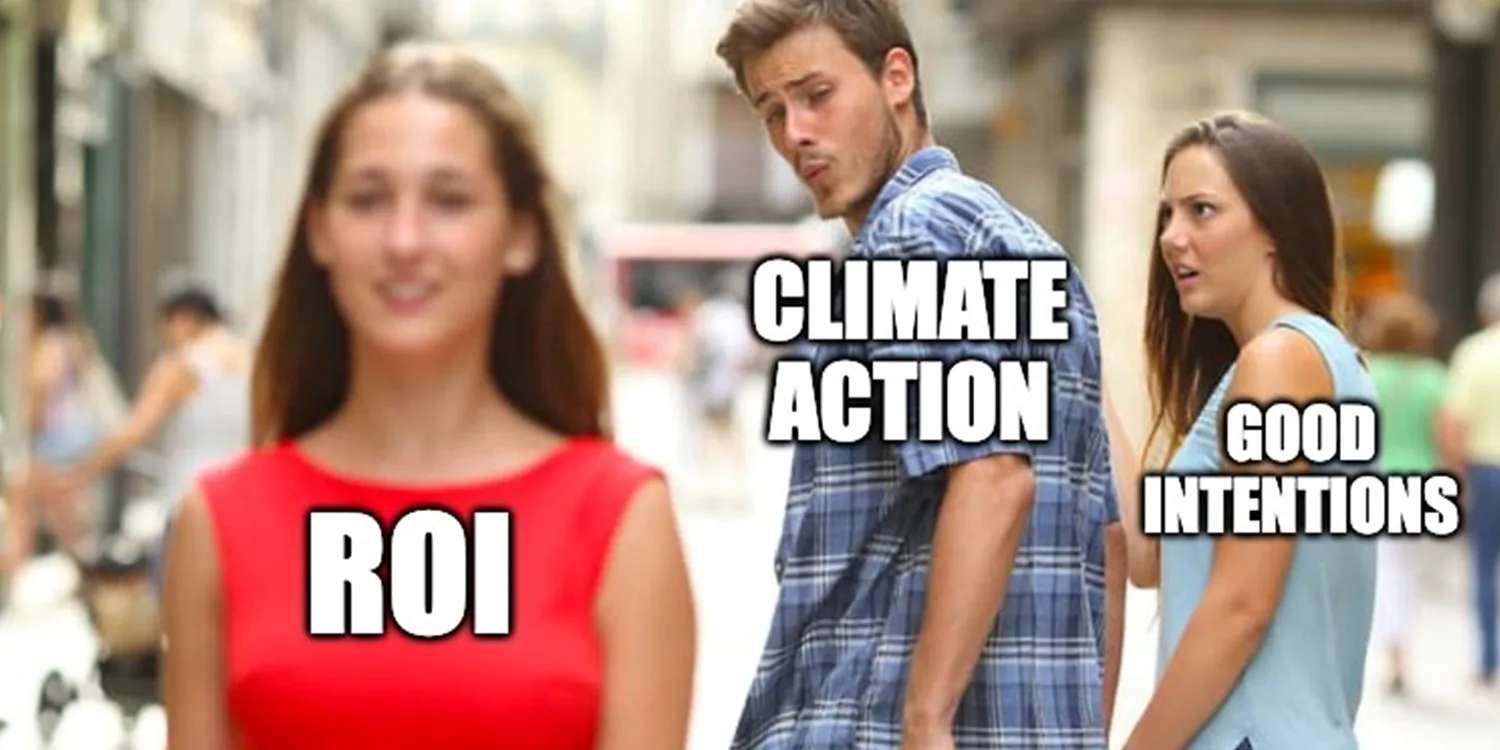
The reality of this increasingly hotter planet is that it’s now too expensive not to invest in climate solutions. What’s needed, more urgently than ever, are tech investments that provide practical solutions that will immediately and effectively boost our climate resilience. What’s perhaps surprising is that those solutions are readily available and highly affordable.
We have decades of economic studies that demonstrate the sound financial sense of investing in climate solutions. In 2006, economist Nicholas Stern, a professor at the London School of Economics published The Economics of Climate Change, which laid out that the costs of mitigating climate change were significant but manageable. Earlier this month, Stern published a new book. The Growth Story of the 21st Century makes the same, amplified argument for different circumstances: investing in cleantech is good business. Thanks to technological acceleration and plummeting costs, climate solutions are more actionable than ever.
Last year alone, 96 percent of the global demand for new energy came from renewables and, in China, one of the world’s legendary carbon producers, solar and wind are replacing coal energy and emissions are declining. The transition to green energy has reached a tipping point, which will make it increasingly affordable and widespread.
Getting real about climate action is now a viable — and hopefully, inevitable — business model. — Dominique Ritter
For more on the latest solutions, check out the MaRS Climate Impact conference in Toronto on December 2 and 3.
Stories from the ecosystem
CLEANTECH: Four actually encouraging tech trends that could help save the planet.
ENTREPRENEURSHIP: GoBolt and Xatoms make Toronto Life’s list of 25 rising stars shaping the city
CLEANTECH: Seacork is using invasive seaweed to create peace and quiet
AI: Everything you need to know about the AI bubble — and how it will pop
Solve for X Season 4 Starts Thursday
On November 27, our podcast, Solve for X: Innovations to Change the World returns for its fourth season. Listen here for a sneak preview of all the good stuff we’ve got coming up!
Upcoming events
 MaRS Climate Impact features Adam Becker (author of More Everything Forever), Sightline Climate’s Kim Zou, NSTX’s Chris Bryson and other global climate leaders. December 2 and 3. Toronto.
- In “How to Close Your Funding Round in Three Weeks,” BenchSci CEO Liran Belenzon talks about the art of startup fundraising. December 2. Toronto.
- Toronto Together gathers TechTO CEO Marie Chevrier Schwartz, N49P’s Alex Norman and Venue.ink’s Jason Goldlist for an evening of in-depth conversation and networking. January 12. Toronto.
For more, visit our events page.
Careers: The hottest jobs in tech this week
- Jule, which builds innovative, sustainable energy solutions, is looking for a full stack developer, manager and an electrical engineer, EIT energy. (Toronto)
- Rippling, builder of an all-in-one workforce management system, is hiring a staff technical recruiter, a financial controller, a senior full-stack engineer and several other roles. (Multiple cities.)
- Dialogue, a leading virtual care provider, is looking for, among other positions, a care coordinator, a senior cybersecurity engineer and a case manager. (Montreal)
- Odaia, which builds AI-powered commercial intelligence for life sciences, is hiring a senior full-stack developer and a senior data engineer. (Toronto)
For more, visit our jobs page.
In the queue: What we’re reading, watching and listening to at MaRS
This week: Mehdi Masoumi, the co-founder and CEO of Deaf AI, which uses AI to create digital sign language interpreters for deaf people, shares his picks. Deaf AI is part of the Mobility Unlimited Hub, a partnership between MaRS and Toyota that accelerates the development of active mobility technologies.
 Life lessons for when life goes awry: Author and broadcaster Elizabeth Day’s Failosophy: A Handbook for When Things Go Wrong offers a different perspective regarding failure. I learned from this book that if I want to understand the meaning of my life, I have to fail, then learn how to heal, believe and grow.
- A podcast that unpacks AI aversion: In “The Consumer Psychology of Adopting AI,” on the Harvard Business Review’s IdeaCast, Harvard Business School professor Julian De Freitas talks about five mental obstacles to AI adoption. The one that stuck in my mind most: sometimes AI isn’t human enough. Human beings prefer social interaction. And even when AI empowers human performance, users still favour human engagement for its nuanced understanding and empathy.
Thanks for reading! See you in two weeks.
Sign up for our newsletter
-
 MaRS Staff